

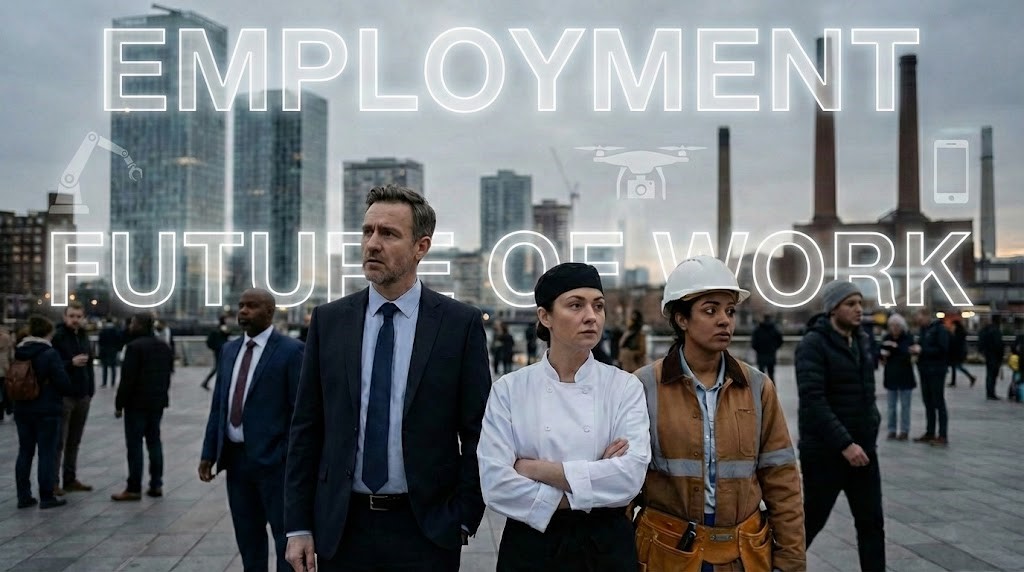
The global employment situation appears stable on the surface, but a deeper look reveals a troubling reality: decent jobs are increasingly hard to find. While unemployment rates in many countries have not surged dramatically, millions of workers around the world continue to struggle with low wages, job insecurity, informal work, and poor working conditions.
This imbalance between job availability and job quality has become one of the most critical challenges facing the global economy today. According to international labor trends, the world is not facing a jobless crisis it is facing a decent work crisis.
In this article, we explore what it means when global employment is stable but decent jobs are in short supply, the reasons behind this trend, its impact on developing countries like Pakistan, and what the future of work may look like.
Understanding Global Employment Stability
Global employment stability refers to a situation where overall job numbers remain steady and unemployment rates do not rise sharply. Many economies have managed to recover from recent global shocks such as the COVID‑19 pandemic, inflationary pressures, and geopolitical tensions.
However, stability in employment figures does not necessarily reflect the quality of jobs being created. Many of the new jobs are:
- Low-paying
- Temporary or contract-based
- Part-time or gig work
- Informal and unprotected
This means that although people may technically be employed, they are often unable to meet basic living standards.
What Are Decent Jobs?
The concept of decent work, promoted by the International Labour Organization (ILO), goes beyond employment alone. Decent jobs include:
- Fair wages that support a dignified life
- Job security and stability
- Safe and healthy working conditions
- Social protection and benefits
- Equal opportunities and workers’ rights
Unfortunately, a large portion of today’s global workforce does not enjoy these conditions.
Why Decent Jobs Are in Short Supply
Several interconnected factors have contributed to the global shortage of decent jobs.
1. Rise of Informal and Gig Economy
The expansion of the gig economy has created flexible work opportunities, but often at the cost of job security. Freelancers, ride-hailing drivers, delivery workers, and online gig workers usually lack:
- Health insurance
- Paid leave
- Job stability
While these jobs offer income, they rarely qualify as decent employment.
2. Automation and Technological Change
Automation and artificial intelligence are transforming industries worldwide. While technology increases productivity, it also:
- Replaces routine jobs
- Reduces demand for low-skilled labor
- Creates high-skill jobs inaccessible to many workers
As a result, job polarization is increasing.
3. Slow Wage Growth
In many countries, wages have not kept pace with inflation. Workers are earning more in numbers but less in real value, reducing purchasing power and quality of life.
4. Economic Uncertainty and Global Shocks
Geopolitical conflicts, climate change, and supply chain disruptions have made employers cautious. Companies often prefer short-term contracts over permanent hiring.
Impact on Developing Countries
Developing economies are among the hardest hit by the shortage of decent jobs.
High Employment, Low Income
Countries in South Asia, Africa, and parts of Latin America show relatively high employment rates, yet a large percentage of workers live near or below the poverty line due to low wages.
Youth and Graduate Unemployment
Millions of educated young people struggle to find jobs that match their qualifications. This leads to:
- Underemployment
- Brain drain
- Frustration and social instability
Pakistan’s Perspective on the Global Job Crisis
Pakistan reflects many global employment challenges:
- Growing youth population
- Limited high-quality domestic jobs
- Rising cost of living
As a result, overseas employment has become a critical option for Pakistani workers seeking better wages and working conditions.
However, even globally, competition for decent overseas jobs is increasing, making skills and certifications more important than ever.
Gender Inequality in Decent Employment
Women are disproportionately affected by the shortage of decent jobs. Globally, women are more likely to:
- Work in informal sectors
- Receive lower wages
n- Face job insecurity
Bridging the gender gap in employment quality remains a major global challenge.
The Role of Governments and Policymakers
Governments play a crucial role in improving job quality. Key policy actions include:
- Strengthening labor laws
- Investing in skill development
- Promoting formal employment
- Supporting small and medium enterprises
International cooperation is also essential to ensure fair labor standards across borders.
Can Economic Growth Alone Create Decent Jobs?
Economic growth does not automatically guarantee decent employment. Many fast-growing economies still struggle with:
- Informal labor markets
- Wage inequality
- Weak social protection systems
This highlights the need for inclusive growth strategies that prioritize job quality, not just job numbers.
Skills Development: A Path to Better Jobs
One of the most effective ways to address the decent job shortage is through skill development.
In-Demand Skills Globally
- Digital and IT skills
- Healthcare and caregiving
- Technical and vocational skills
- Green and renewable energy skills
Countries that invest in education and vocational training are better positioned to create sustainable employment.
The Future of Work: What Lies Ahead?
The future global job market will be shaped by:
- Artificial intelligence
- Climate transition
- Demographic changes
- Remote and hybrid work models
While new opportunities will emerge, ensuring these jobs meet decent work standards will be the real challenge.
What Can Workers Do to Secure Decent Jobs?
Individuals can improve their chances by:
- Continuously upgrading skills
- Gaining internationally recognized certifications
- Learning new technologies
- Understanding labor rights
Adaptability will be key in the evolving job market.
Final Thoughts
Although global employment levels appear stable, the shortage of decent jobs remains a serious concern. Employment without dignity, security, and fair wages cannot sustain long-term economic or social stability.
For countries like Pakistan, the challenge is twofold: creating better jobs at home and ensuring safe, decent opportunities abroad. Governments, employers, and workers must work together to shift the focus from simply creating jobs to creating quality jobs.
Only by prioritizing decent work can the global economy achieve inclusive and sustainable growth.